
Collaborative housing projects as neighbourhood micro-planners
Collaborative housing (CH) is a commonly used umbrella term for all housing projects with at least some degree of collaboration between residents. Collaboration may refer to common ownership, building and design, activities, shared spaces, and more. Every project is unique. Some have individual apartments but lots of common space on-site, such as co-housing, while communes share an apartment with only private rooms. CH is a complex topic with a great variety across borders and generations. But what does it mean for the whole neighbourhood?
There has been an increasing amount of research on CH in recent years. Still, too little attention has been given to the consequences these tight-knit communities might have on the wider neighbourhood, not only on the communities themselves. The topic divides scholars. Some consider CH a positive role model in the neighbourhood. Others argue that it is nothing but a gated community for middle-class people who are trying to build some kind of leftist utopia.
This contradiction intrigued me, so I decided to head to Hamburg, the 'co-housing capital of Germany', to find out how local CH projects interact with their wider neighbourhoods. I interviewed experts and cohousing residents for two weeks in March 2025 and gathered the findings in my master's thesis (link to thesis: https://helda.helsinki.fi/handle/10138/602400).
Unsurprisingly, the fieldwork trip revealed that some projects are more interested in building connections with their neighbourhood than others. As mentioned earlier, every project has a unique history and context in which it operates. Internal motivation might not be enough: projects also need neighbours with similar interests and a pleasant urban environment that promotes casual encounters and social life. Internal motivation also differs. In most cases, there were a few active and well-connected residents who were the engine behind social events.
The most intriguing findings of my ethnography were not about motivations, however, but about the space itself. The main conclusion that I made was that the common spaces of these housing projects enabled the building of social ties within neighbourhoods. Once again, the spaces were all individual, but most of them included one large club room, which usually had a kitchen, a bathroom, and the possibility for guests to stay over. Other types of common spaces were gardens, woodworking spaces, laundry rooms, terraces, and food cellars. The mere existence of these spaces created collaborative activity.
In the Schipperort housing cooperative, located in Wilhelmsburg, a neighbourhood with a diverse migrant community, two of the cooperative residents used to work in publishing and happened to have a lot of surplus children's books on hand. Some children in the neighbouring houses became interested in them, and Schipperort spontaneously decided to host a weekly book-reading café in its club room. During the great migration wave in 2015, they temporarily offered the club room to refugees.
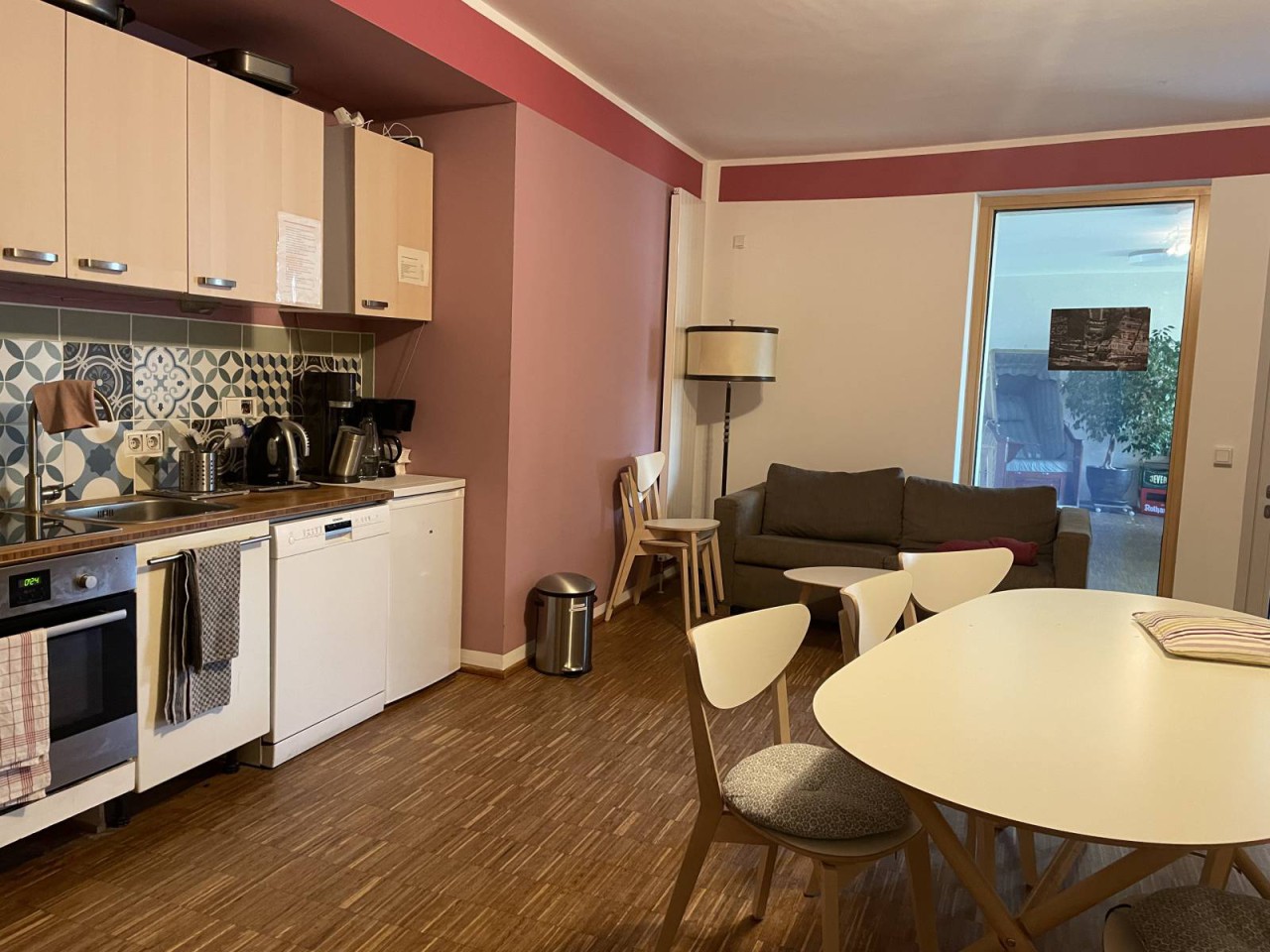
In the Drachenbau cooperative, a 50-year-old project in the centrally located St. Georg, the club room is frequently given to local hobby groups in exchange for a voluntary rent payment. When the project started, local children often came to play in the cooperative's large inner yard, where parents could take turns supervising them. They also make sure to invite the whole neighbourhood to their annual summer festivals in the spacious inner yard.
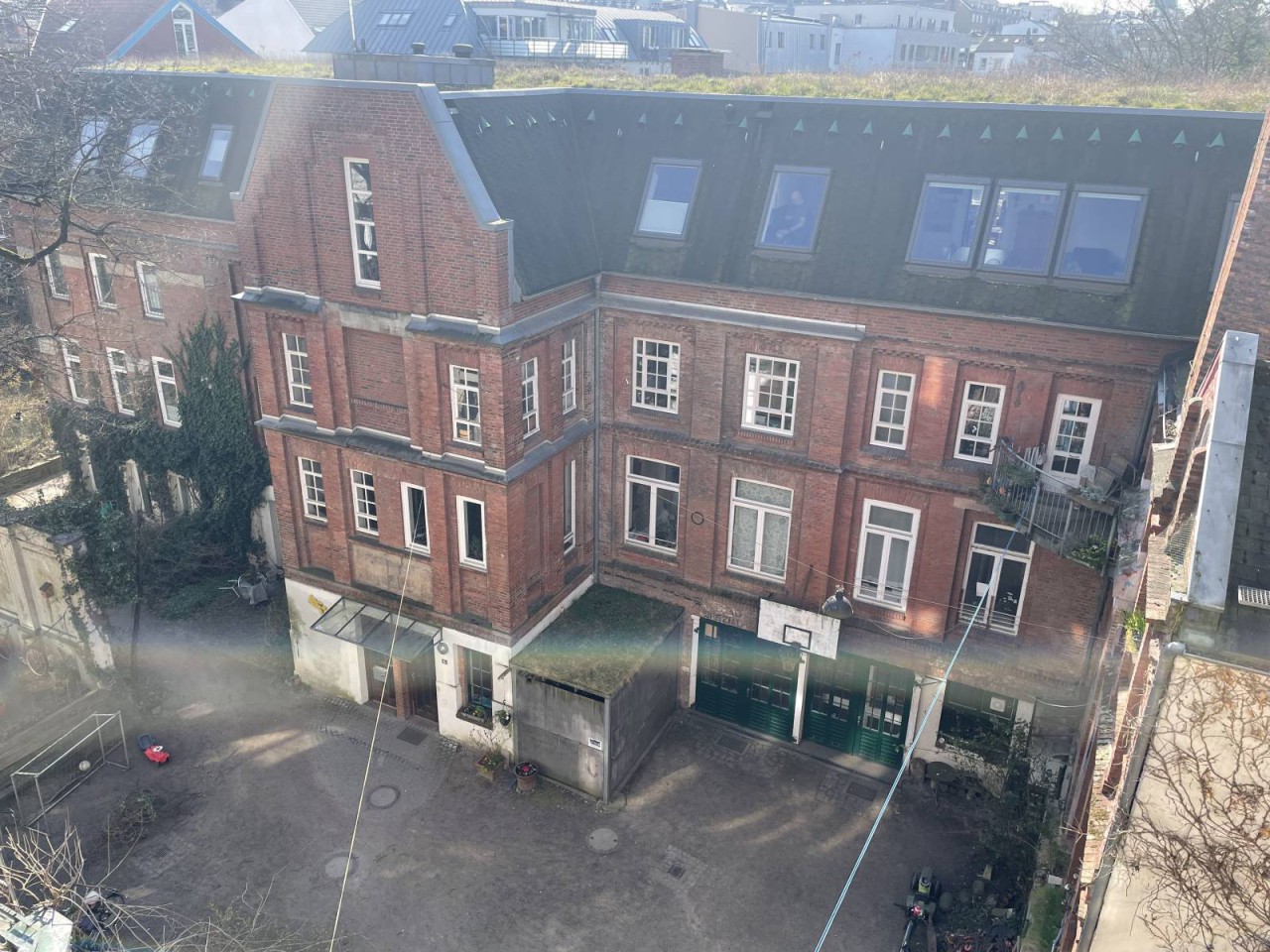
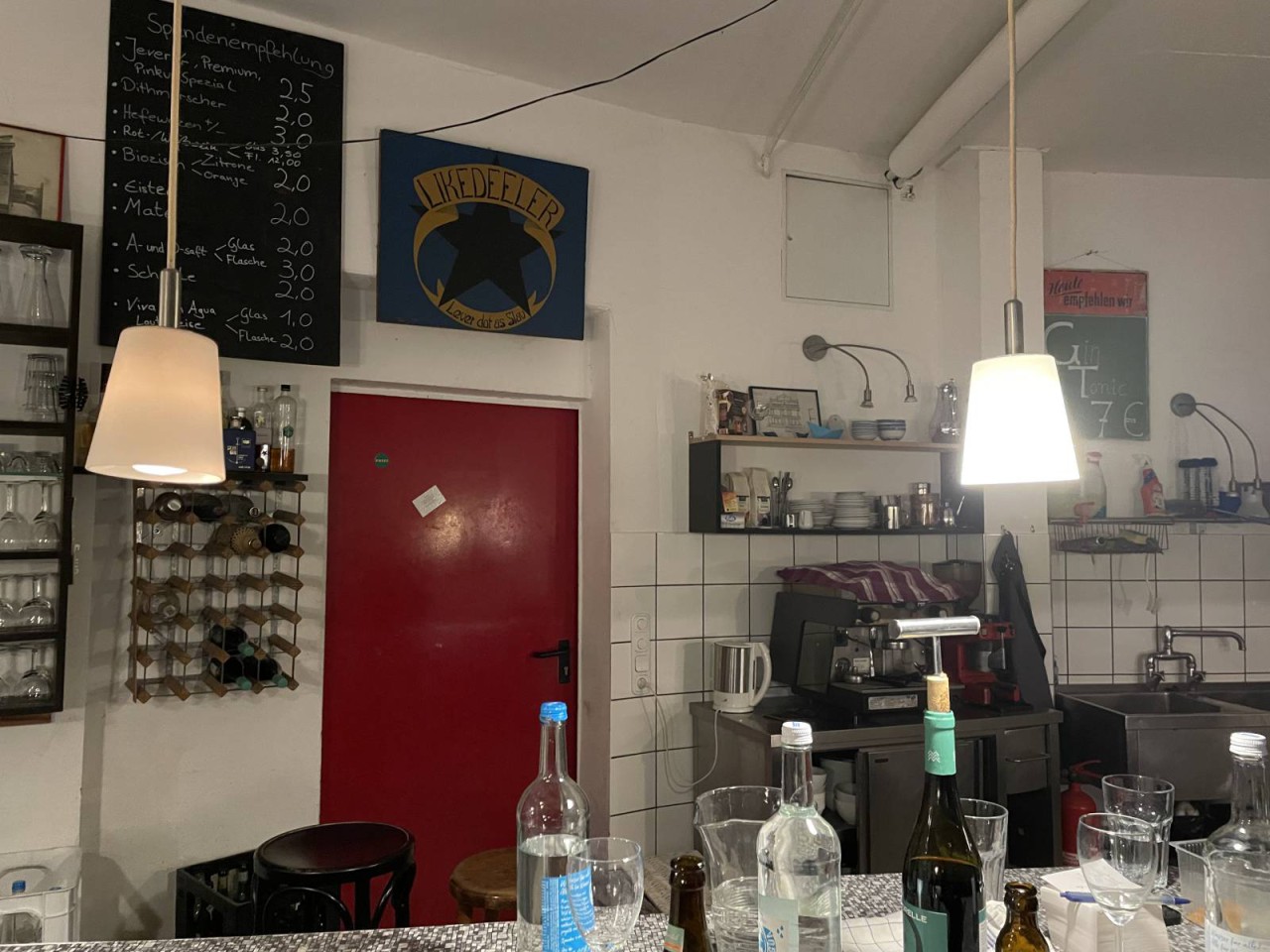
GoMokry* and Turm, which are not technically cooperatives but 'cooperative-like' housing projects connected to a nationwide housing association, Mietshäusersyndikat, had an even more integrative approach to their neighbourhood. GoMokry* dedicated the whole ground floor of the house to a common space, which is intended to be kept open for everyone every day of the week. They host multiple local clubs, game nights, and fundraising parties for various causes. Turm, in turn, has a neighbourhood bar and kitchen, which was open every week for neighbours to meet and cook together. After Covid-19, the collective is still recovering its past level of activity, as are many other housing projects.
In conclusion, these projects could offer spontaneous and flexible semi-public spaces, which could also adapt to changing needs in the neighbourhood over time. In this sense, one could consider CH projects in Hamburg as 'micro-planners' of the neighbourhood, as their premises often provide an extension of the social infrastructure of the wider neighbourhood.
There is still a risk that these self-managed projects segregate themselves from the neighbourhood, but in Hamburg it does not seem to be a current issue. The city of Hamburg supports CH generously, while also demanding social mixing and low-income support within the housing projects that it subsidises. The goal is to create lasting, affordable housing that truly matches the needs of residents. Although not a funding requirement, one of the potential positive outcomes of CH schemes might be improved social infrastructure, with these collaborative spaces tending to create a collaborative 'spirit' around them.
Author
Inga Strauss holds a Masters in Urban Studies and Planning from University Helsinki, with a background in sociology and political science. Her passion for collaborative housing research stems from a wish to discover alternative ways to build communities in large cities. She is interested in the ways people mediate between privacy and connection in different social settings.
When you subscribe to the blog, we will send you an e-mail when there are new updates on the site so you wouldn't miss them.


Comments