YA BLOG
a collaboration between young academics

Welcome to the blog of the Young Academics of the Association of the European Schools of Planning. It has a rich history. We welcome your contributions and you can find information on how to contribute and the guidelines here.

Built but Disconnected: Can a City Become Empty While Growing?

Cities don't forget. People are the ones who leave. Yet Tirana was never abandoned. It remained full of people, but somehow, it emptied itself. Houses gave way to towers. Courtyards became parking lots. Narrow streets disappeared beneath asphalt, and memory was buried under glass and concrete. Here, people never left. They simply kept remaking the ...

  63 Hits

Healing the Urban Environment: What does it mean to heal a city?

In urban planning, we often speak about making cities more sustainable, resilient, inclusive, walkable, green, smart, or liveable. These are important ambitions. They help us name the pressures cities face and the responsibilities planners carry. Yet they can also make the city sound like a technical system waiting to be corrected. If emissions are...

  68 Hits

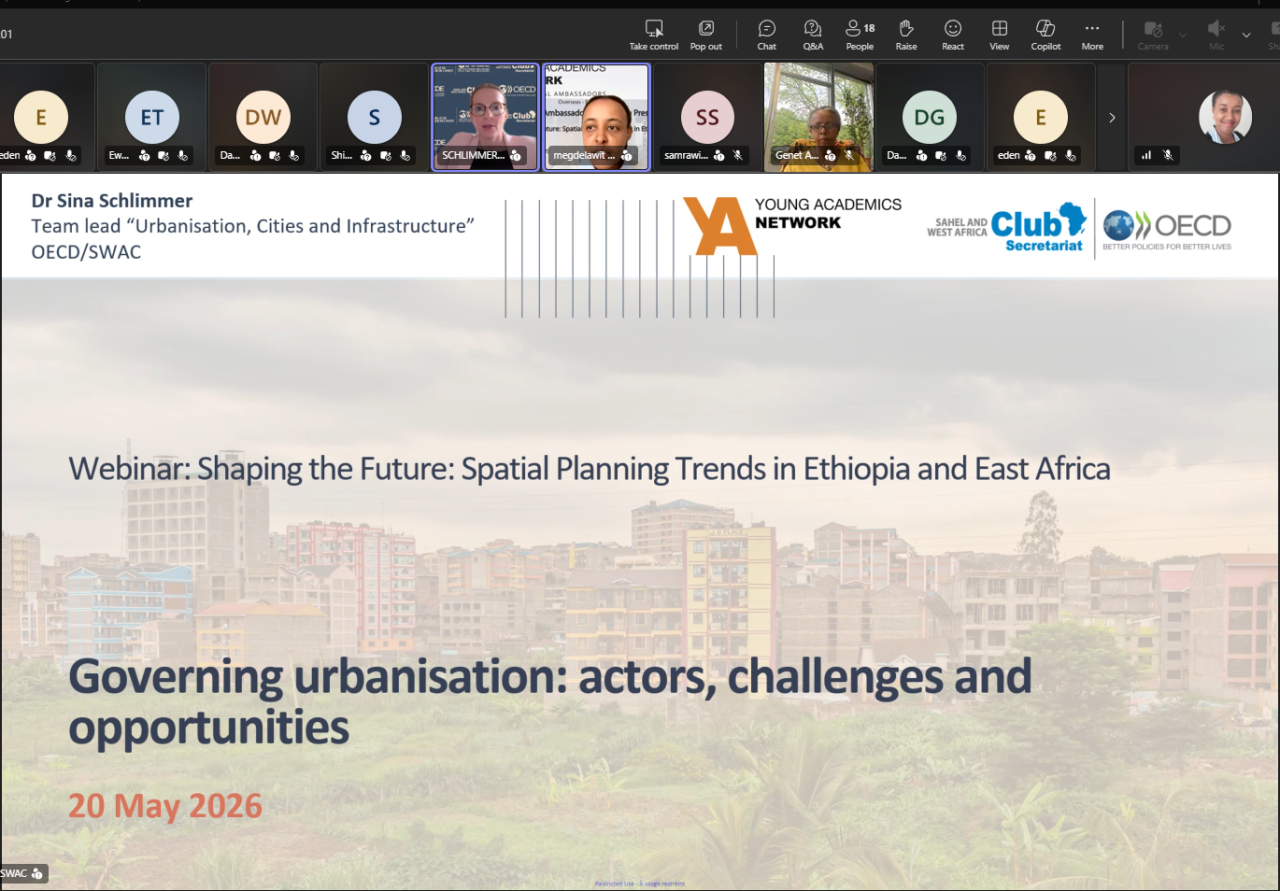
Shaping the Future: Spatial Planning Trends in Ethiopia and Eastern Africa

Abstract By 2050, Africa's population is expected to reach 2.2 billion, and two out of every three Africans will reside in cities, accounting for 80% of this development[1]. Particularly in Eastern Africa, following the economic boom, cities are also growing. There are several studies on this city and urban area growth, from socioeconomic shifts an...

  525 Hits

An Interdisciplinary Journey

I came to my PhD topic, the ethics of architecture, through a slightly winding route. My academic background is in political science and political theory, with a particular interest in democratic theory and applied ethics. Within that broad field, however, I found myself drawn to a fairly narrow question: how do democratic societies relate, normati...

  1470 Hits

Planning the Invisible – Part I

On Emotional Mapping, Spatial Identity, and Urban Memory Cities are often explained through drawings. Maps, boundaries, planning notes, legends. The language of planning naturally relies on what is visible, because what can be seen can also be measured, classified, and managed. Yet living in a city does not unfold with the same clarity. In some str...

  1078 Hits

The 15-Minute City in Practice: Tactical Urbanism and Open Squares in Milan’s NoLo Case

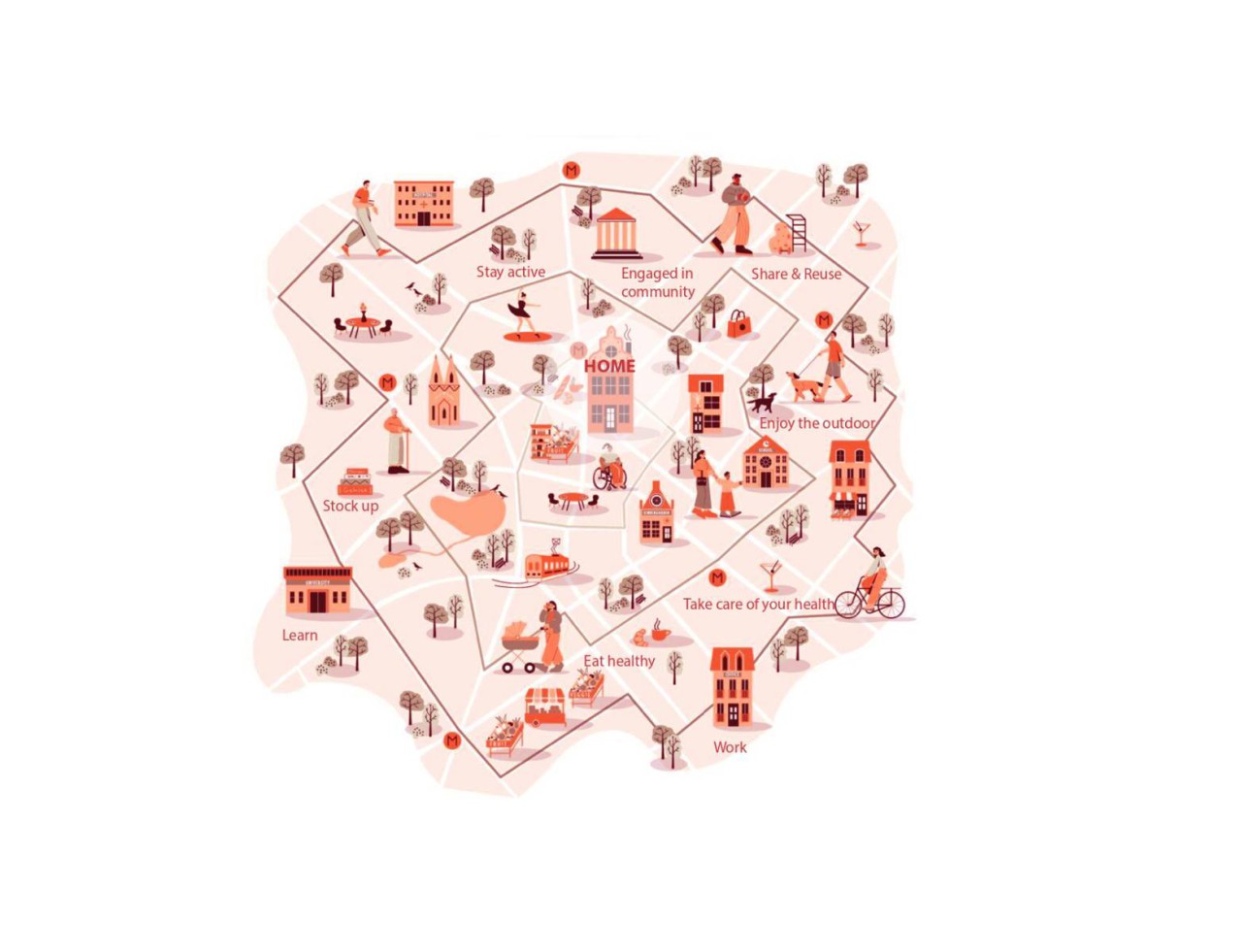
Figure-1. 15-Min City Concept

Can tactical urbanism and open squares, like Milan's vibrant NoLo pop-ups, quickly turn car-choked streets into lively, equitable public spaces to solve today's urban issues? The COVID-19 pandemic exposed and intensified underlying spatial inequalities in metropolitan areas. Cities have become defined by fragmented, neglected public spaces, uneven ...

  1023 Hits