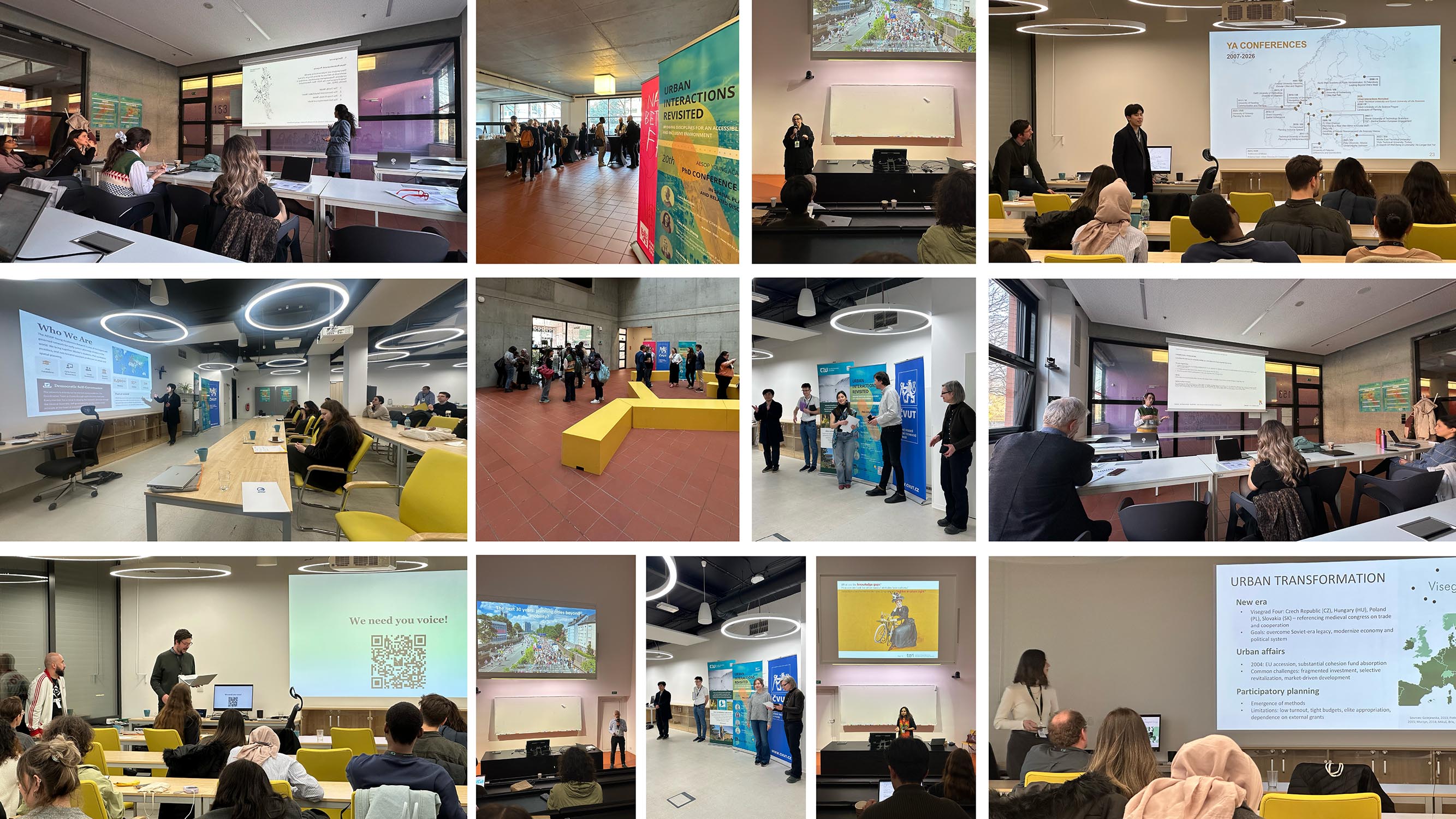
Centered around the theme “Urban Interactions Revisited,” the conference brought together early-career researchers from diverse disciplinary and geographical backgrounds to explore key questions shaping contemporary urban studies. Participants engaged with a broad spectrum of topics, reflecting on how interactions—spatial, social, economic, and environmental—continue to redefine urban life in an era of rapid transformation.
Papers were presented across four thematic tracks: Proximity & Permeability, Flows & Connections, Governance & Tools, and Inclusion & Dynamics. These sessions enabled in-depth discussions on issues such as accessibility, mobility systems, planning instruments, and social inclusion, fostering rich interdisciplinary dialogue and constructive feedback among participants.
The programme combined parallel academic sessions with interactive elements, including workshops and keynote contributions, creating a dynamic environment that balanced critical reflection with practical engagement. Workshops, in particular, provided space for collaborative learning and methodological exchange, allowing participants to deepen their analytical approaches and explore new research tools.
Beyond formal sessions, the conference offered valuable opportunities for networking and informal exchange, strengthening connections among young scholars and contributing to the development of future research collaborations. The event underscored the importance of creating inclusive academic platforms where emerging voices can actively shape ongoing debates in planning and urban studies.
The conference also recognized academic excellence through two Best Paper Awards, supported by leading journals such as disP – The Planning Review and Architektúra & urbanizmus. These awards highlighted outstanding research contributions and reinforced the conference’s commitment to academic rigor and innovation.
The conference provided a vibrant and supportive environment for young academics to present their work, receive feedback, and build international networks. AESOP YAN extend their sincere thanks to the local organizing committee and all participants for their valuable contributions in making the conference a success.
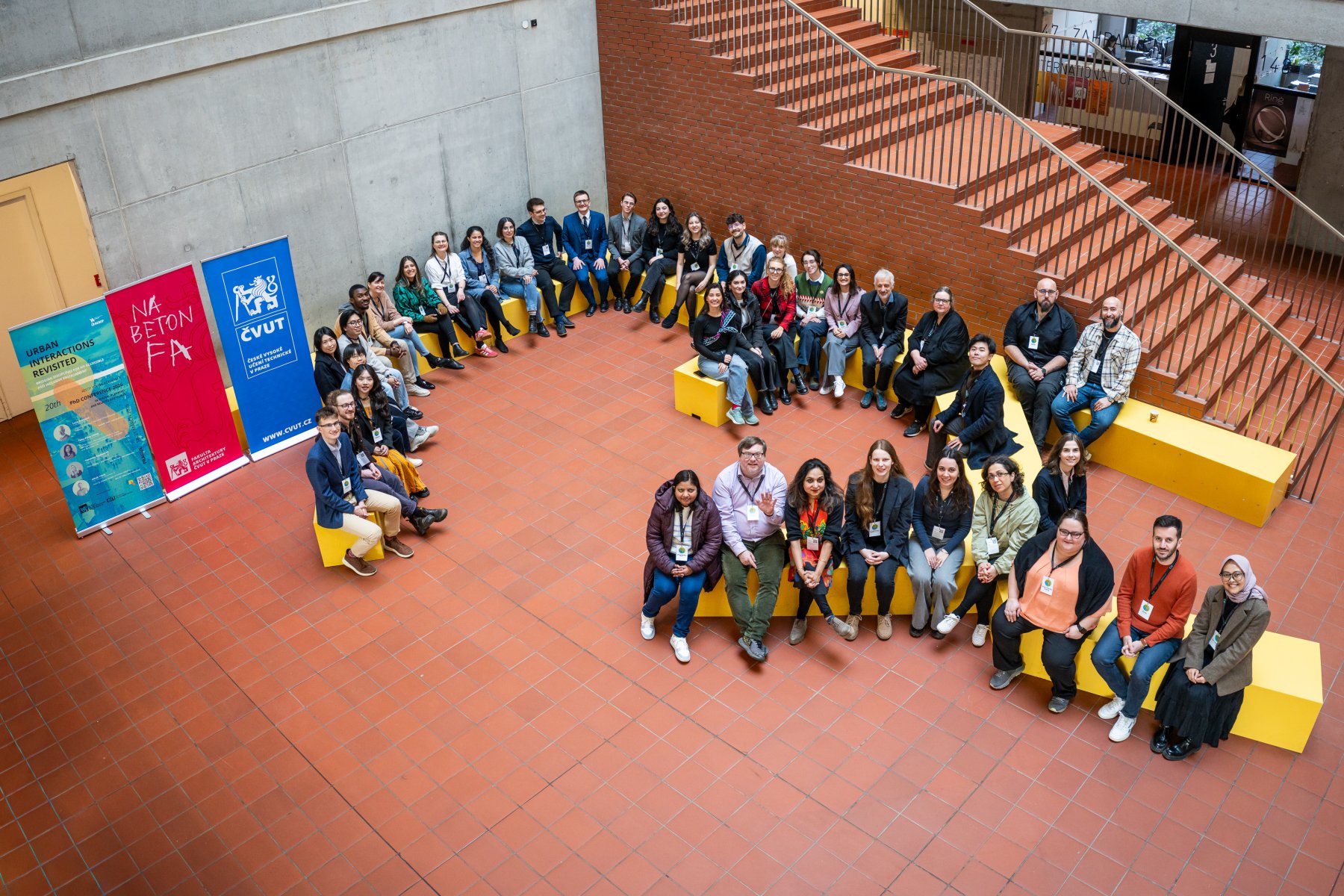
Photo credit: Martin Marek
